
Rodent Proofing Arkansas | DIY Tips & Professional Exclusion
 Reviewed By: John Henry Maloch – North Little Rock Branch Manager
The Ultimate Guide to Rodent Proofing Your Arkansas Home: DIY vs. Professional Solutions
As the seasons shift across Central Arkansas, homeowners from Little Rock to Searcy begin to notice a familiar, unwelcome trend: rodent “move-in” season. When the temperatures drop, local mice and rats seek the warmth and security of your attic, crawl space, or walls.
In Arkansas, rodent proofing isn’t just about setting a few traps, it’s about structural defense. This guide breaks down how you can protect your home using DIY methods, and when it’s time to call in the professional exclusion team at Legacy Termite & Pest Control.
The Quick Answer: How do I rodent-proof my home?
To effectively rodent-proof an Arkansas home, you must seal every exterior gap larger than 1/4 inch using permanent materials like copper mesh, steel wool, or heavy-duty hardware cloth. Focus on “high-traffic” entry points like roof junctions, foundation vents, and utility penetrations. While DIY methods are great for maintenance, professional rodent exclusion is the only way to ensure a lifetime of protection.
Arkansas Rodent Profiles: Who is trying to get in?
Our geography creates unique challenges for pest control. Depending on where you live in Central Arkansas, your “visitors” might vary:
-
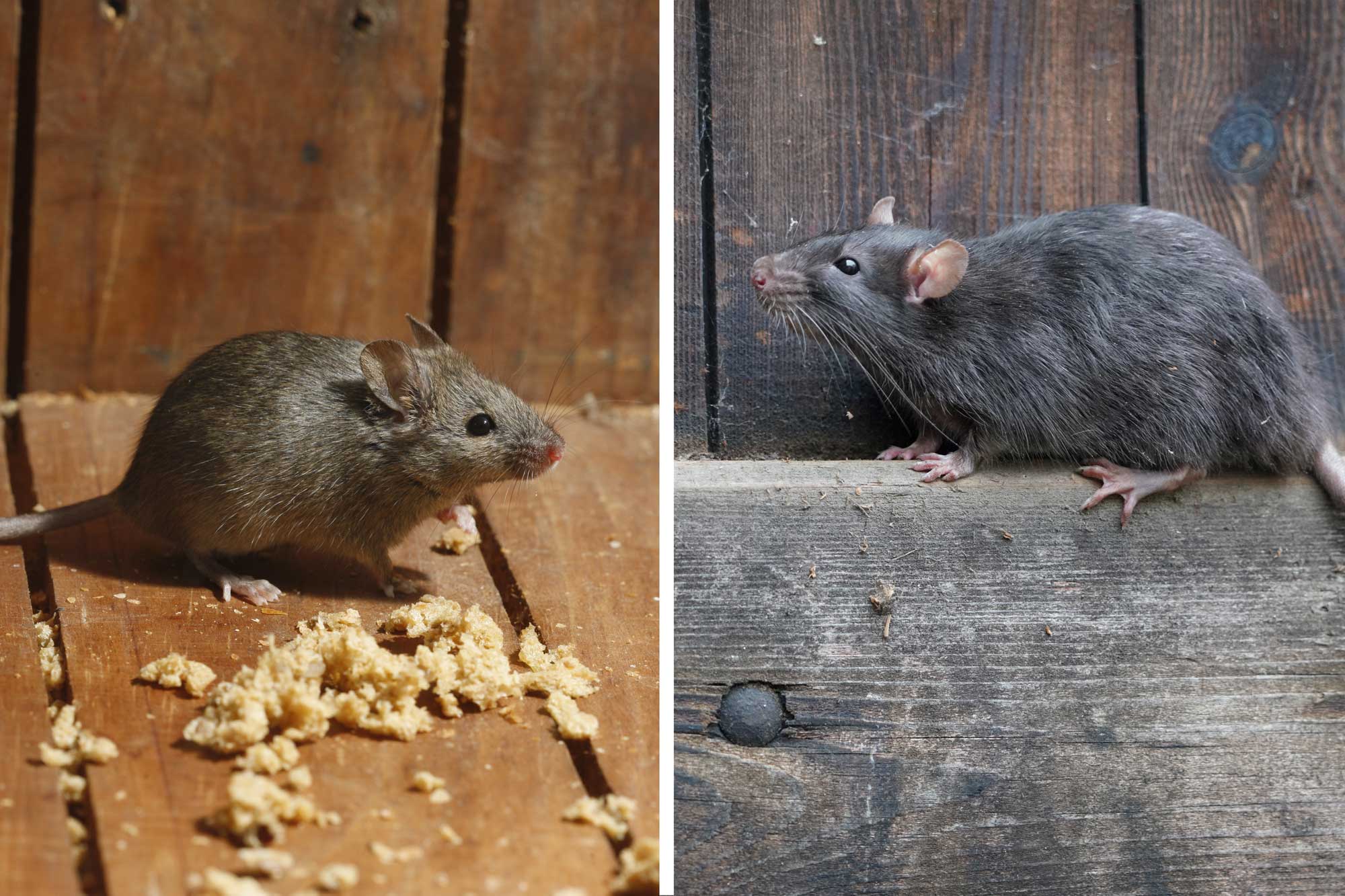
Roof Rats: Common in the wooded hills of Hot Springs and the mature treelines of Little Rock’s Heights and Hillcrest neighborhoods. These rats are expert climbers that enter through your roofline. Furthermore, despite the name, Roof Rats are regularly found in crawl spaces.
-
Norway Rats: These larger rodents prefer the damp security of crawl spaces, a common feature in North Little Rock and Arkadelphia homes.
-
House Mice: Small, opportunistic, and found everywhere from Conway to Searcy, these pests can squeeze through a gap the size of a dime.
Step 1: DIY Rodent Prevention (The Perimeter Check)
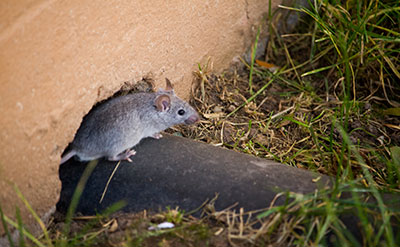
If you haven’t seen active signs of rodents yet, these DIY steps can help keep your perimeter secure:
- Seal the “Low-Hanging Fruit”: Use a silicone-based caulk reinforced with steel wool to seal small gaps around outdoor faucets and dryer vents.
- The “6-Foot Rule”: In Arkansas, our lush greenery is a bridge for pests. Trim tree branches so they are at least 6 feet away from your roof to prevent Roof Rats from jumping onto your shingles.
- Sanitation Matters: Whether you are in a suburban Conway neighborhood or a rural stretch of Arkadelphia, outdoor pet food and fallen fruit from trees are the primary “dinner bells” for rodents. Store all feed in airtight metal containers.
- Check Your Door Sweeps: If you can see light under your garage or entry doors, a mouse can get in. Install heavy-duty, rubber-and-metal sweeps.
Step 2: Professional Rodent Exclusion (The Permanent Fix)

There is a major difference between a “mouse trap” and “rodent exclusion.” While traps handle the rodents already inside, exclusion ensures no more can ever enter.
At Legacy Termite & Pest Control, our exclusion process involves a complete structural seal of the foundation of your home. We use industrial-grade materials that rodents cannot chew through, such as metal flashing, crawlspace vents, and custom access doors.
You should call for professional exclusion if:
-
There’s scratching or scurrying in the ceiling or walls at night.
-
You find chewed wires or “tunneling” in your attic insulation.
-
Your DIY traps keep catching mice, but the problem never seems to end.
- You notice large amounts of rodent feces in and around your crawlspace.
Local Rodent Alerts: Central Arkansas Service Areas

We understand the specific pest pressures of each city we serve. Here is what our technicians are seeing in your backyard:
-
Little Rock & NLR: With a mix of historic architecture and urban density, rodents often find entry through old rock foundations and settling rooflines.
-
Conway: Rapid new construction in Conway often displaces field mice, pushing them toward established residential neighborhoods.
-
Hot Springs: The mountainous terrain makes “Roof Rat” exclusion a top priority for homes nestled in the hills.
-
Searcy: Our agricultural surroundings mean that as crops are harvested, mice look for the nearest warm structure—your home.
-
Arkadelphia: Older pier-and-beam homes are highly susceptible to Norway rats entering through the crawl space.
Frequently Asked Questions
Q: Can mice chew through spray foam? A: Yes. Standard “Great Stuff” or yellow spray foam is no match for a rodent’s teeth. Professionals use specialized “Rodent-Block” foams or metal mesh reinforcements.
Q: Is rodent damage covered by Arkansas homeowners insurance? A: Generally, no. Most policies view rodent damage as “preventable maintenance,” which is why proactive exclusion is a smart financial investment.
Protect Your Legacy Today
Don’t wait for a small mouse problem to turn into a major electrical or structural repair. Whether you need a DIY consultation or a full-scale professional exclusion in Little Rock, Conway, Hot Springs, Arkadelphia, North Little Rock, or Searcy, Legacy Termite & Pest Control is your local expert.
[Click Here to Schedule Your Free Rodent Vulnerability Inspection]