
RODENTS | By: Chris Maloch | Updated: November 2, 2026 | 9 Min Read
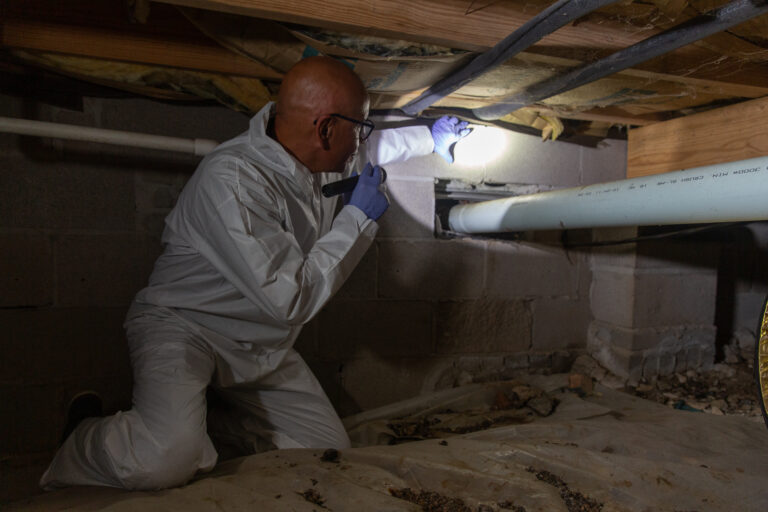
Some pests show up like clockwork. Rodents start looking for warm shelter, stink bugs squeeze into walls to ride out the winter, and june bugs crash into porch lights at the start of summer. These seasonal home invaders range from seriously destructive (rats and mice) to mostly just annoying (stink and june bugs).
For homeowners in Little Rock, North Little Rock, Conway, Hot Springs, Arkadelphia, and Searcy, here’s how to tell what’s getting in, why, and how to stop it.
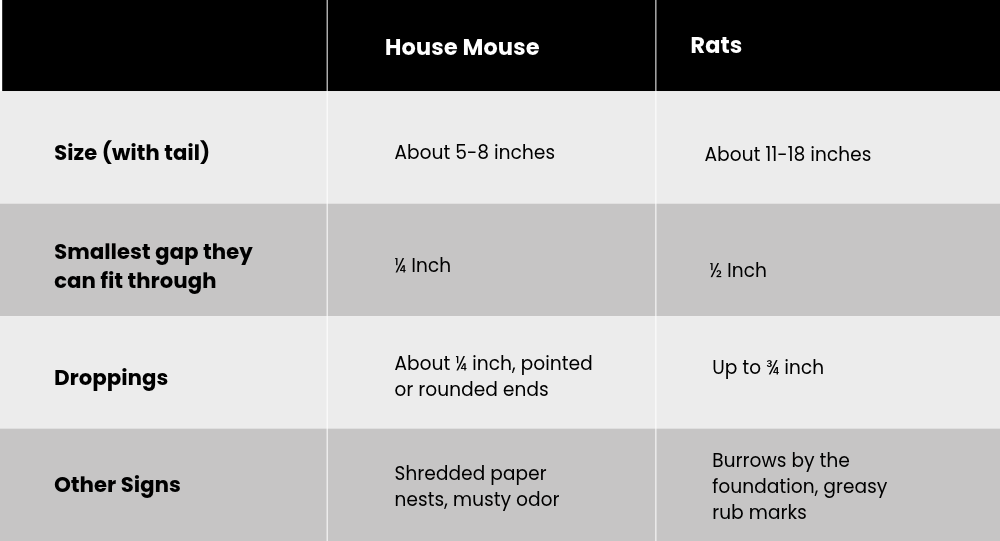
Rats are one of the most consistent and disruptive pests we help our customers with. In Arkansas, the most common species we see are the Norway rat, the roof rat, and the eastern woodrat, also known as the packrat.

Look for droppings up to ¾ inch long, gnaw marks, greasy rub marks along walls and beams, burrows near your foundation, and scratching or scurrying sounds in the walls or ceiling at night.
Rats can squeeze through an opening as small as ½ inch, which makes them very good at getting into homes and crawlspaces. Once inside, they contaminate food, damage insulation, chew through wiring and plumbing, and burrow under foundations. Rats and their parasites can also spread diseases such as leptospirosis and salmonellosis (UA Division of Agriculture ↗).
Rodent Exclusion
House mice are small, quick and very good at finding their way indoors. They can show up any time of year, and they’re always on the lookout for warmth, food and shelter.
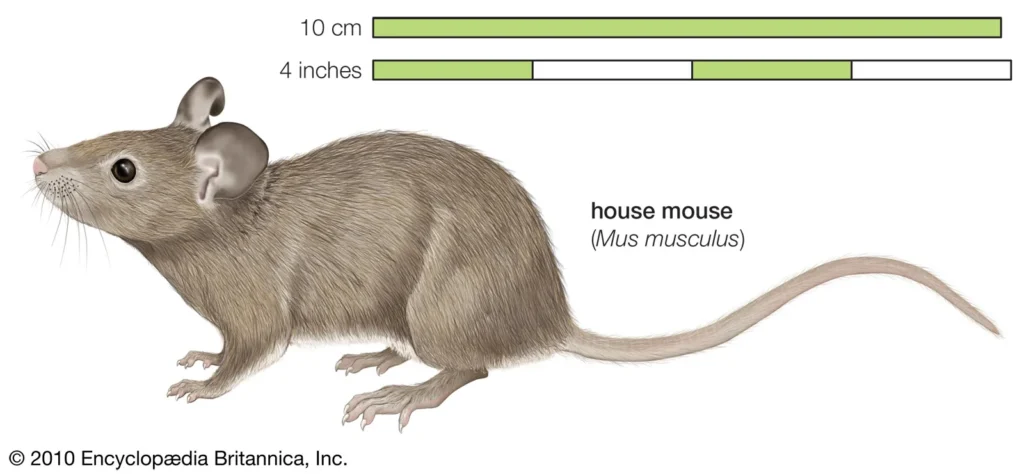
The house mouse is about 5 to 8 inches long including its tail. The most common signs are small droppings (about ¼ inch with pointed or rounded ends), chewed food packaging, shredded paper or fabric nests, a musty odor, and scratching sounds in walls or ceilings, especially at night.
Common entry points include gaps around pipes and utility lines, garage doors, foundation vents and spaces under doors. And because a female can have several litters a year with four to seven babies each, a couple of mice can quickly become a full-blown infestation.
Rodent droppings, urine and nesting material can carry disease, so cleanup needs care. The CDC ↗ recommends:
Stink bugs get their name honestly: disturb or crush one and it releases a strong, unpleasant odor. They’re mostly outdoor, plant-feeding pests, but in the fall some of them start looking for a warm place to spend the winter, and your home will do nicely.
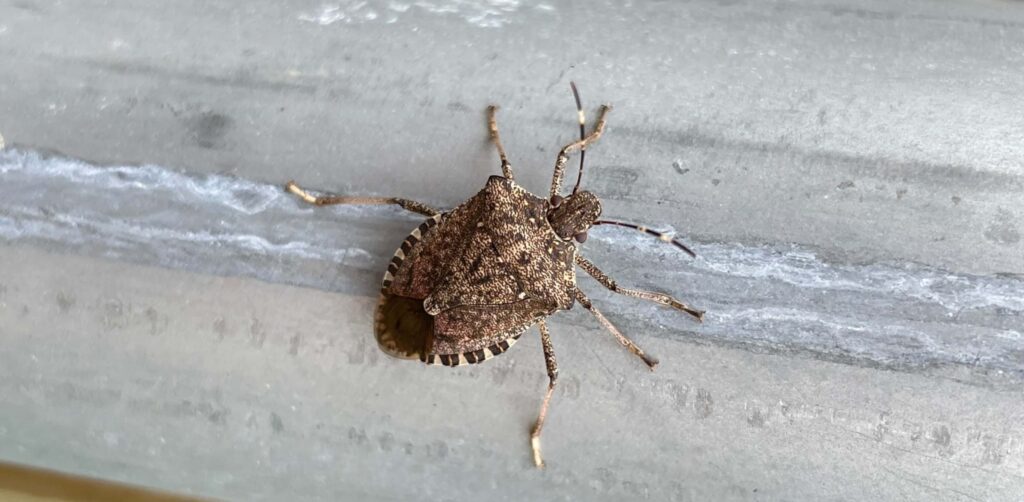
Arkansas has several native stink bugs, including brown and green stink bugs. The invasive brown marmorated stink bug, which is notorious for invading homes by the thousands in other states, has also been confirmed in Northwest Arkansas (UA Division of Agriculture ↗). It’s mottled brownish-gray, with light and dark bands on its antennae and along the edges of its body.
Stink bugs don’t bite people, carry disease or damage your home, and they don’t reproduce indoors. They’ll try to leave once spring returns. The biggest problem is the smell, so vacuum them up instead of crushing them.
Prevention Tip: Seal cracks with caulk, replace worn weather stripping, and repair window and door screens. If they’re getting in by the dozens, that’s a sign of entry points worth sealing, and we can help you find them.
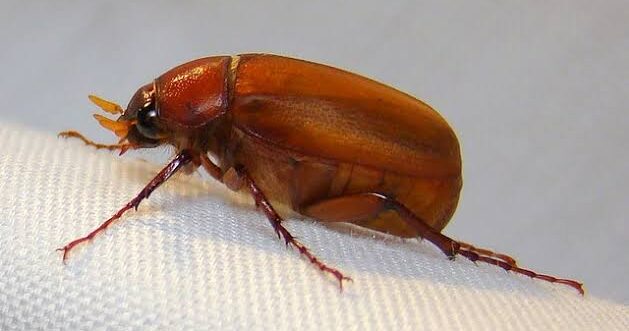
If you’ve ever had a big brown beetle bonk into your porch light (or your forehead) on a warm evening, you’ve met the June bug. Also called May beetles or June beetles, these clumsy fliers are a classic sign that summer has arrived in Arkansas.
As the weather gets colder, rodents want to find a warm place with an abundance of water and food. Unfortunately, our homes and crawlspaces check a lot of those boxes.
A foul smell inside of your home may be the result of a couple different things. First and foremost, there is more than likely a dead animal nearby. We find this commonly happens in crawlspaces, attics, and wall voids. Other causes may be crawlspace fungus growth or stink bug disturbance.
Getting rid of rats can be tricky, they are smarter than people give them credit for and they reproduce quickly. Snap traps and bait may be effective for one or two rats, but any more than that and we recommend getting professional help.
Rodent-proofing your home requires a combination of exclusion and baiting. By sealing up all entry points, you can ensure rodents wont’t be able to enter your crawlspace, home, or attic. Combined with professional baiting, any rodents who venture near will be taken care of before they cause any damage to the exterior of your home.
5307 J.F.K. Blvd
North Little Rock, AR 72116
501-753-4567
Copyright © 2025 Legacy Termite and Pest Control. All Rights Reserved. | Privacy Policy