


Fleas are most common during the Spring, Summer, and Fall.
Flea Treatments
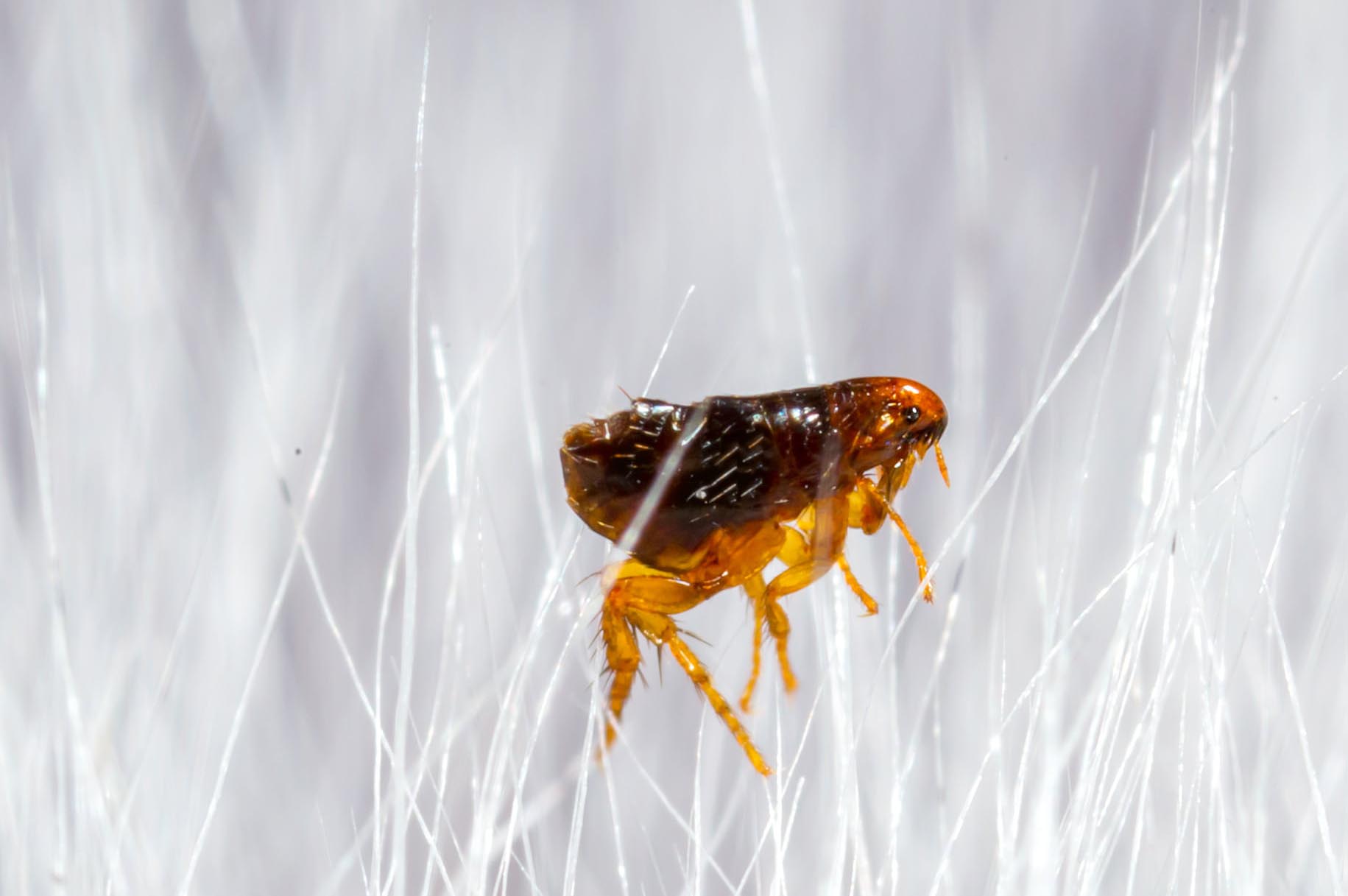
Fleas are small, wingless external parasites that feed on the blood of warm-blooded animals, including mammals and birds – a behavior known as hematophagy. Adult fleas are typically about 3 mm long and are well-adapted to life on a host. Their bodies are laterally flattened, allowing them to move easily through fur or feathers, and their powerful claws help them cling tightly to their hosts. Although they cannot fly, fleas are capable of jumping more than 50 times their body length, making them incredibly mobile and difficult to catch.
In Arkansas, flea problems are especially common during the warmer, more humid months – from late spring through early fall – when the climate provides ideal breeding conditions. Homes with pets such as dogs or cats are at higher risk, but fleas can also enter households via rodents or wildlife nesting nearby. Once inside, fleas can quickly reproduce, laying hundreds of eggs that fall into carpets, furniture, and bedding, allowing an infestation to build rapidly.
Flea bites can cause red, itchy welts on humans and animals and may lead to allergic reactions or secondary skin infections. More concerning, however, is their potential to transmit diseases such as murine typhus and tapeworms, as well as contribute to conditions like flea allergy dermatitis in pets.
Prevention is the most effective strategy when it comes to flea control. Regularly treating pets with veterinarian-recommended flea preventatives, keeping outdoor areas well-maintained, and addressing any rodent activity around the home are key steps in keeping fleas at bay. If an infestation does occur, professional pest control is often necessary to fully eliminate fleas from both the home and yard, especially in areas like Arkansas where seasonal conditions allow them to thrive.
Have you seen signs of fleas around your property? Contact Legacy today for a free no-obligation pest consultation.