
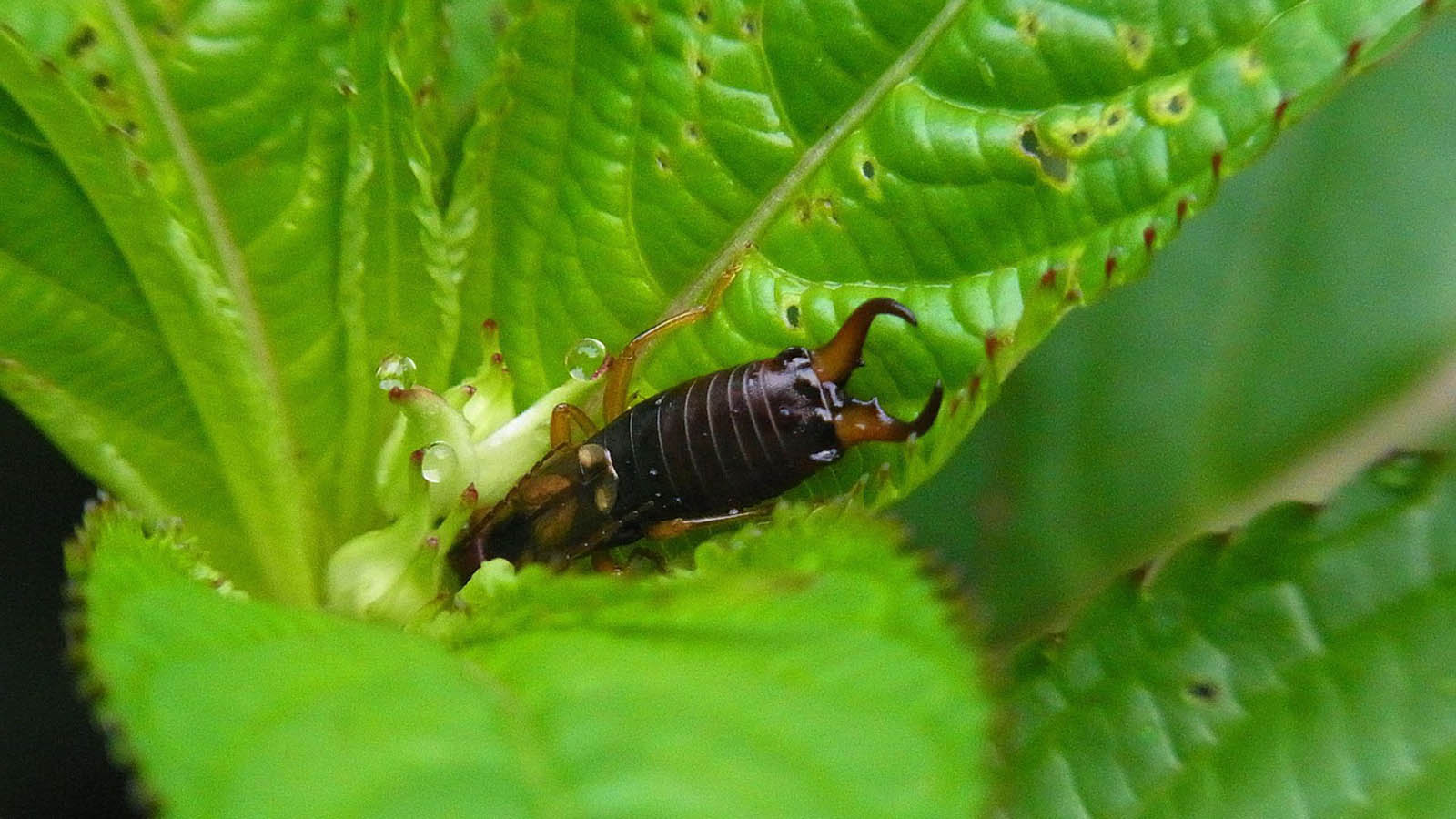


Earwigs are most common from the Spring through the Fall.
Legacy Pest Control Plan
Earwigs are a common summer invader of homes, sheds, and gardens across the United States. While they may appear threatening due to the large forceps protruding from their abdomens, these pests are mostly a minor indoor nuisance. However, if you’re a gardener, earwigs can quickly become your worst enemy.
Often mistaken for cockroaches, earwigs are easy to identify. They have a rusty-brown color, two pairs of leathery wings, and a distinctive set of forceps at the rear of their bodies. Ranging from 0.5 to 2.5 cm in length, they’re also known for their quick movements when disturbed. Unlike cockroaches, earwigs can use their pinchers to defend themselves or subdue small prey.
During hot summer months, earwigs seek out cool, moist environments. They thrive in the shady, damp areas around homes and gardens – especially where mulch or dense vegetation retains moisture. When the outdoor heat becomes too intense, they may wander indoors in search of similar conditions.
Thankfully, indoor infestations are relatively uncommon, as they’re usually noticed and addressed before becoming serious. However, earwigs can release a foul-smelling odor when threatened, and most DIY efforts to eliminate them aren’t very effective. Controlling an earwig problem requires a comprehensive approach – both inside and outside the home. This includes sealing entry points and reducing moisture around the foundation, particularly within 12 inches of the exterior walls.
If you’re dealing with persistent earwigs in your garden or inside your home, professional pest control is often the most effective solution. While earwigs don’t transmit disease and aren’t directly harmful to humans, a full-blown infestation can cause significant frustration – and damage to your plants.
Have you seen signs of earwigs around your property? Contact Legacy today for a free no-obligation pest consultation.