
5 Things That Can Increase Termite Risk at Your Home
1. Wood Against the Foundation
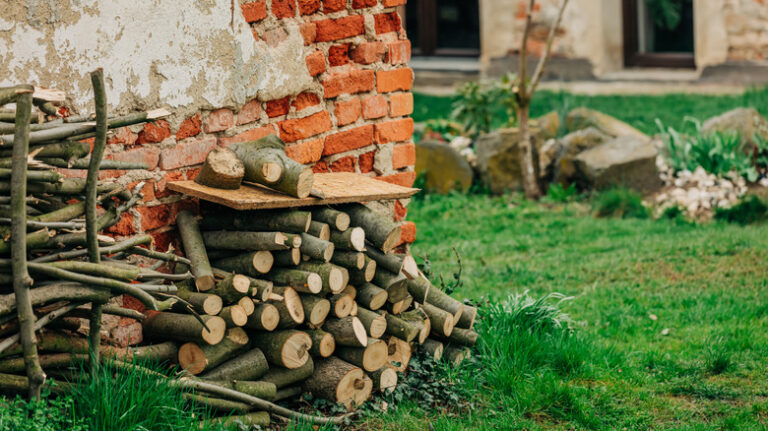
It’s a common sight for our termite inspectors to find firewood, lumber, or wooden mulch stacked up directly against the foundation of a home. Wood resting directly against soil or concrete creates an ideal bridge for termites, giving them direct, sheltered access straight into your home’s wooden structure.
Prevention Tip: Store firewood at least 20 feet away from your home and elevate it off the ground. Maintain a clear perimeter between landscaping mulch/soil and your home’s siding.
2. High Moisture Levels
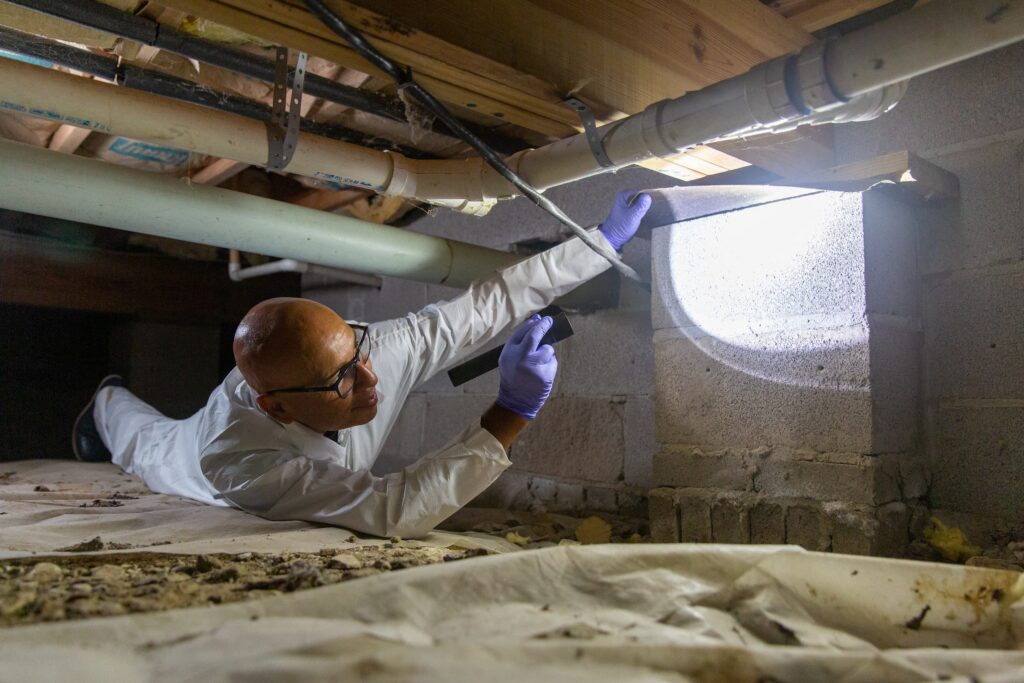
Subterranean termites require moisture to survive and thrive. Leaky outdoor faucets, clogged gutters, misdirected downspouts, and standing water around your home’s perimeter create damp soil conditions that attract foraging termites. Inside your home, natural soil evaporation trapped within crawlspaces, combined with high ambient humidity, creates a dark, damp environment right beneath your floorboards. This moisture encourages rapid termite colony growth, accelerates wood rot, and promotes destructive mold growth.
Prevention Tip: Ensure downspouts discharge water away from the foundation and clean gutters regularly. For crawlspace solutions, consider options such as a vapor barrier, encapsulation, or sump pump to alleviate conducive conditions and protect your structure from other damages.
Looking for a quote? Give us a call! Our inspectors are also expertly trained in diagnosing and solving crawlspace moisture concerns.
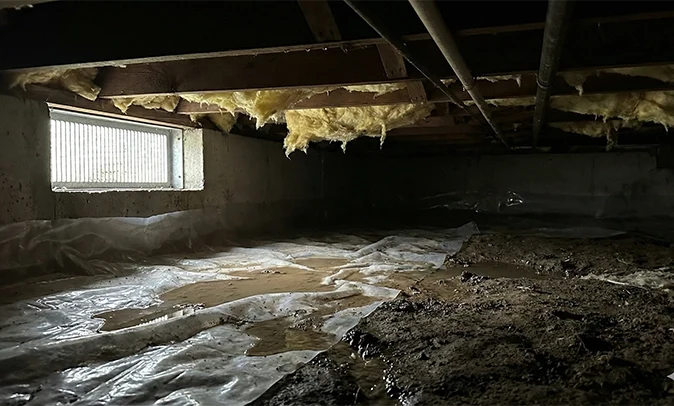
3. Crawlspace Storage
Using an unfinished or humid crawl space to store cardboard boxes, extra lumber, or wooden furniture creates a prime feeding ground directly beneath your floorboards. Because crawl spaces are rarely inspected by homeowners day-to-day, termite colonies can feed undisturbed.
Prevention Tip: Keep crawl spaces clear of wooden debris, paper products, and cardboard. Store items in sealed plastic containers and ensure your crawl space is well-ventilated or sealed with a vapor barrier.
4. Rotted Stumps & Trees
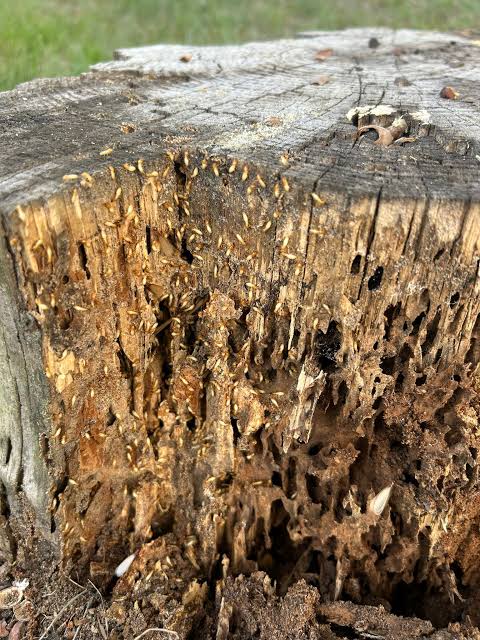
Old, decaying tree stumps, dead roots, and rotting landscape timbers in your yard serve as ideal natural food sources for termite colonies. Once a colony establishes itself in a nearby stump, it is only a matter of time before it expands its search area toward your house.
Prevention Tip: Have old tree stumps removed or ground down completely, and avoid using untreated wood or rotted timber for garden borders near the home.
5. Long Periods Without Inspection or Treatment
Termites are known as ‘silent destroyers’ because they work in hidden spaces inside walls, subflooring, and crawl spaces where damage isn’t immediately visible. Lapsing on regular inspections or operating without a professional protection plan leaves your home vulnerable to undetected infestation and costly structural repairs.
Prevention Tip: Ensure your home is protected! A Legacy Termite Protection Plan ensures continuous monitoring, routine retreatments, and repair guarantees to protect your biggest investment.
Are you protected?
Don’t wait until you spot signs of termite damage. Contact Legacy Termite & Pest Control today to schedule a free inspection and discover how our tailored protection plans can keep your home safe year-round!